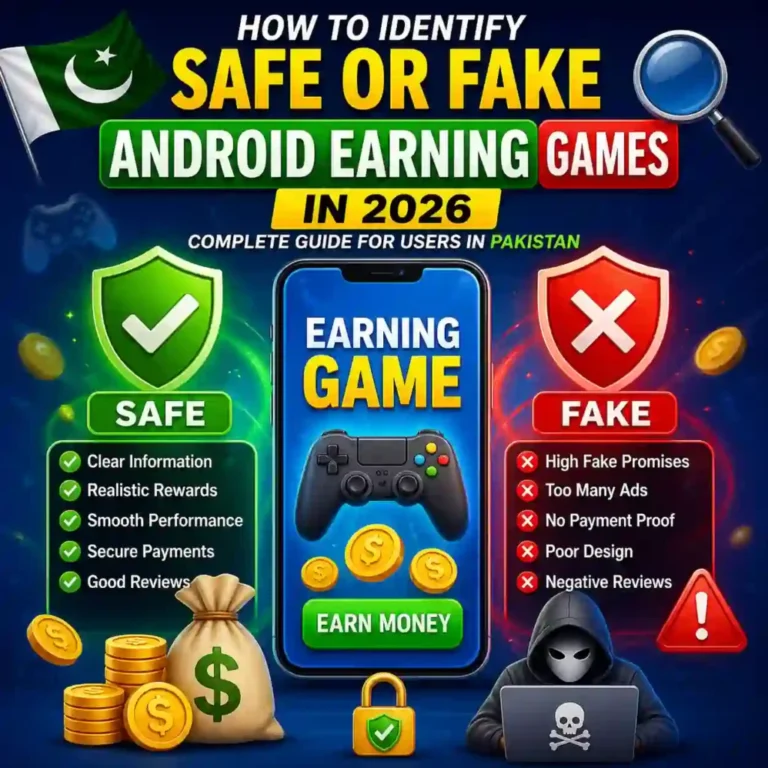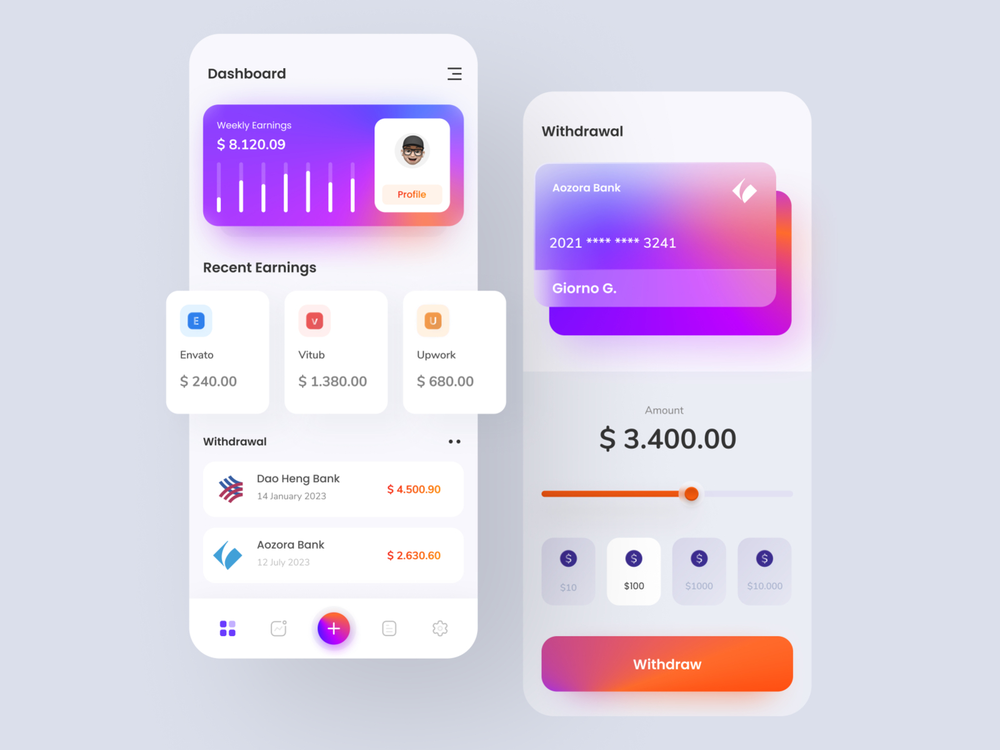
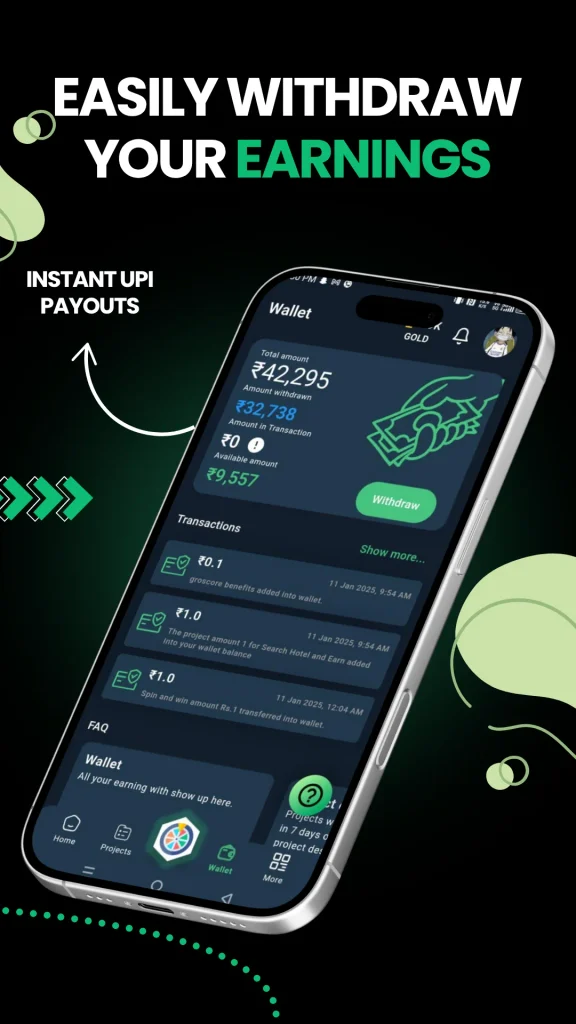
Open any app store and search “earning app.” You’ll get hundreds of results, and they’ll all look the same on the surface — bright icons, promises of daily cash, screenshots of wallet balances. But two apps sitting side by side in that search list can be built on completely different foundations. One might pay you for watching videos or completing surveys. The other might pay you for guessing whether a number goes up or down.
Both call themselves “earning apps.” Only one of them is actually about earning.
This mislabeling isn’t an accident, and it isn’t harmless either. It’s the reason so many people download a “task app” expecting steady side income and end up on a betting screen instead. This guide breaks down the real difference between task-based and chance-based apps, and gives you a simple framework to classify any app before you install it.
Why This Distinction Gets Lost
App store listings, ad networks, and even app names rarely make the mechanism clear. A color-prediction app and a data-entry app can both use words like “earn,” “bonus,” “reward,” and “cashout” in their descriptions. The visual language — coins, wallets, confetti animations — is often identical too.
Editorial Observation: In our review process at APK Field Guide, we’ve found that app descriptions almost never explain how the underlying earning mechanism actually works. That’s a gap this article and our review format are built to close.
The Core Difference: What Decides Your Payout
The simplest way to tell these apps apart is to ask one question: What determines whether I get paid — my effort, or a random outcome?
Task-Based Apps
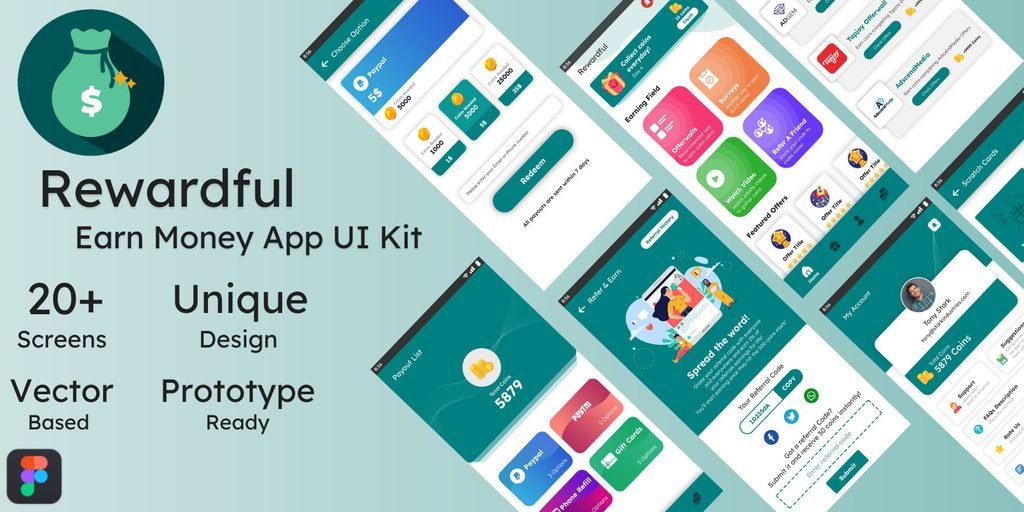
In a task-based app, you complete a defined action, and that action is worth a set amount. Examples include:
- Filling out surveys
- Watching video ads for a fixed time
- Testing other apps and reporting back
- Completing micro-jobs like data tagging or transcription
- Referring friends who then use the app
Your payout is tied to work done. If you complete ten tasks, you get paid for ten tasks. There’s no “chance” involved in whether the task itself pays out — the risk here is usually about whether the app pays at all, not whether you win or lose.
Chance-Based Apps
In a chance-based app, you place a stake — sometimes called a “prediction,” “bet,” or “entry” — on an outcome you don’t control. Examples include:
- Color-prediction games (red or green, up or down)
- Aviator-style crash games
- Spin-the-wheel or lucky-draw apps
- Card or dice-based “earning” games
Here, your payout depends on a random or semi-random event, not on effort. You can lose money you put in. This is the core mechanic that separates these apps from genuine work, and it’s also the mechanic that raises legal and financial-risk questions, which we cover in our [Legal Status of Earning Apps in Pakistan guide].
The “Classify the App” Framework
Before trusting any earning app, run it through these four checks. This is the same framework we use internally when reviewing apps for this site.
1. Does the app ask you to put money in before you can earn? Task apps almost never require an upfront deposit to start working. If an app asks you to add funds before you can “unlock” earning, that’s a strong signal you’re looking at a chance-based or investment-style app, not a task app.
2. Is the payout amount fixed or variable per action? A task app tells you upfront: “This survey pays Rs. 50.” A chance-based app shows you a multiplier, odds, or a color/number outcome — meaning the same action can pay wildly different amounts, or nothing.
3. Can you lose the money you already have in the app? In a task app, the worst case is usually that you don’t get paid for unpaid work — you’re not risking a balance you already earned. In a chance-based app, you can actively lose funds you deposited or previously won.
4. Does the app use gambling language, even indirectly? Words like “predict,” “bet,” “multiplier,” “crash,” “jackpot,” or “spin” are chance-based signals. Words like “task,” “survey,” “review,” or “referral” point to task-based work. Developer Claim: many apps in the second category still describe themselves as “100% safe and legal earning platforms” — a claim we treat as unverified until independently checked, since it comes from the app’s own marketing.
Comparison Table: Mechanism, Risk, and Earning Ceiling
| Factor | Task-Based Apps | Chance-Based Apps |
|---|---|---|
| What decides payout | Completed effort/action | Random or semi-random outcome |
| Upfront deposit needed | Rarely | Usually yes |
| Can you lose your balance | No (you just don’t earn more) | Yes, actively |
| Earning ceiling | Capped by available tasks and your time | Technically unlimited, but so are losses |
| Common legal classification | Generally treated as gig/micro-work | Often falls under gambling regulations, depending on region |
| Typical red flags | Delayed or blocked withdrawals | Deposit-to-play requirements, “streaks,” multipliers |
| Skill involvement | Yes — the more tasks, the more you earn | Minimal to none |
Pending Verification: Legal classification varies by country and even by province, and enforcement isn’t always consistent. Don’t treat “task-based” as automatically legal or “chance-based” as automatically illegal everywhere — check the specific rules for your region before assuming either way. Our [Legal Status of Earning Apps in Pakistan guide] goes deeper into this specific question.
Why This Matters More Than It Seems
A task-based app that pays slowly is a frustrating experience. A chance-based app disguised as a task app is a financial risk — one that people often enter without realizing they’re gambling at all. The confetti animations and “you won!” popups are designed to feel like a reward, not a bet, even when the underlying mechanic is identical to a casino game.
If you’re choosing an earning app to actually build side income, task-based apps are the safer starting point — your time converts to a known payout, and there’s no balance to lose. If an app can’t clearly answer “how is my payout calculated,” treat that as a warning sign, not a mystery to figure out later.
Bottom Line
The label “earning app” tells you almost nothing on its own. The real question is whether you’re being paid for work you did, or for a bet you placed. Run any app through the four-question framework above before you download it, and check the mechanism — not the marketing — to know what you’re actually signing up for.